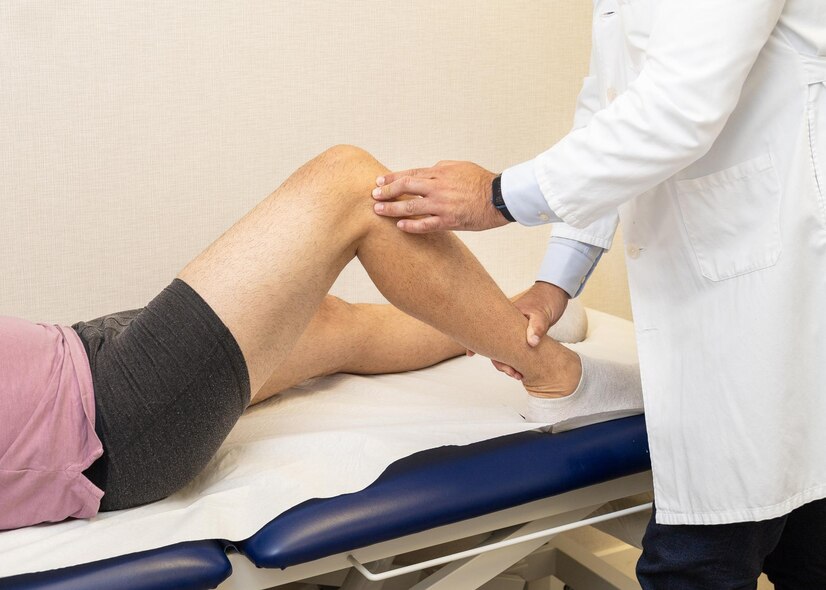
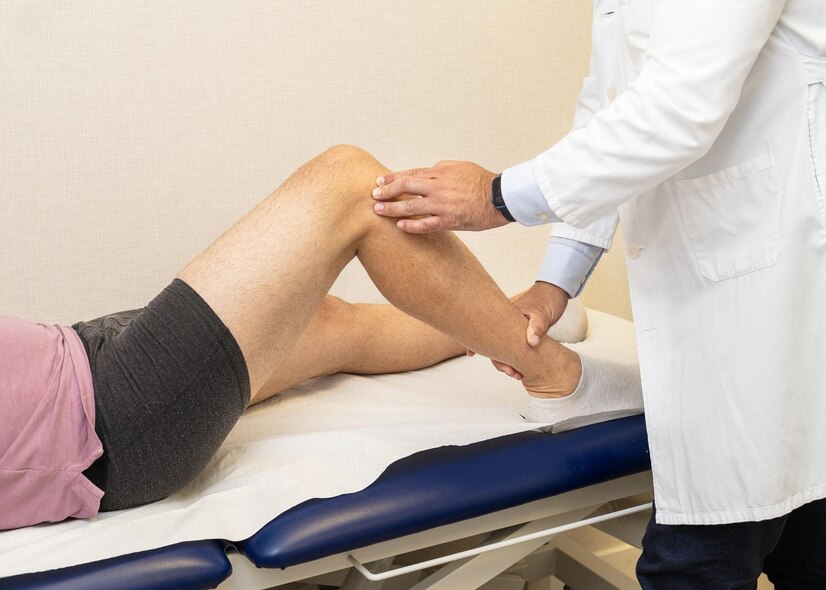
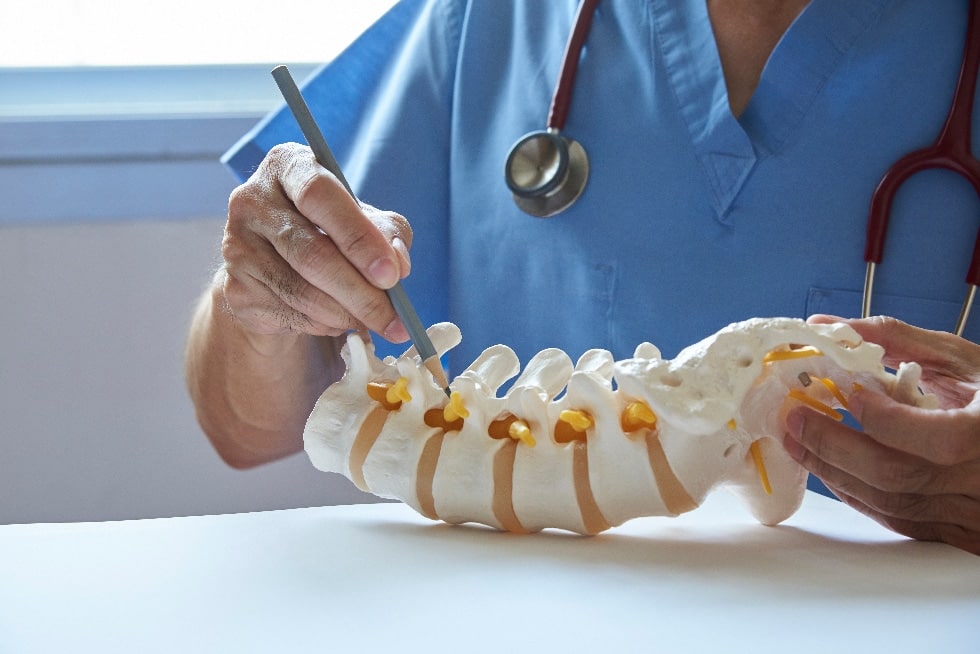
Understanding Joint Replacement Surgery: A Guide to Restoring Mobility and Relieving Pain

In the journey of aging or dealing with injuries, joint pain can become a persistent challenge. For many, joint replacement surgery offers a path to reclaiming mobility and leading a pain-free life. This surgical procedure is most commonly recommended for individuals with severe arthritis or joint damage that has not responded to other treatments. Let’s dive deeper into what joint replacement surgery entails, the benefits, and how hospitals like Airmid Hospital in Samaypur Badli are pioneering advanced joint replacement solutions.

What is Joint Replacement Surgery?

Joint replacement surgery, often referred to as arthroplasty, is a procedure where a damaged joint is removed and replaced with an artificial joint, or “prosthesis.” The goal is to reduce pain, improve function, and enable patients to resume daily activities without the debilitating discomfort that arthritis or injuries can cause.

While hip and knee replacements are the most common, joint replacement surgery can also be done on other joints such as shoulders, elbows, wrists, and ankles. The prosthetic joints used are typically made from metal, ceramic, or durable plastic, designed to mimic the function of natural joints and provide long-term stability.

When is Joint Replacement Necessary?

Joint replacement surgery is generally considered when:

  • Severe Arthritis: Conditions like osteoarthritis, rheumatoid arthritis, or post-traumatic arthritis cause irreversible joint damage.
  • Chronic Pain and Disability: The pain becomes severe enough to impact daily activities, sleep, and overall quality of life.
  • Other Treatments Fail: When less invasive treatments, such as medication, physical therapy, or joint injections, have not provided sufficient relief.

Types of Joint Replacement Surgery

  1. Total Joint Replacement: The entire damaged joint is replaced with a prosthesis.
  2. Partial Joint Replacement: Only the damaged portion of the joint is replaced. This option is usually for knees and hips.
  3. Revision Surgery: This is a follow-up surgery when an existing prosthesis wears out or fails.

Benefits of Joint Replacement Surgery

For those suffering from chronic joint pain and limited mobility, joint replacement surgery can be life-changing. Some of the main benefits include:

  • Pain Relief: The most immediate benefit is a significant reduction in joint pain.
  • Improved Mobility: Patients regain the ability to perform daily tasks and engage in physical activities with greater ease.
  • Enhanced Quality of Life: Joint replacement not only improves physical mobility but also positively impacts mental well-being.
  • Long-term Solution: Modern prosthetic joints are designed to last 15-20 years, offering patients a long-term solution for joint pain.

Joint Replacement at Airmid Hospital, Samaypur Badli

Airmid Hospital, located in Samaypur Badli, is recognized as a leading center for joint replacement surgery. With a team of experienced orthopedic specialists and state-of-the-art facilities, Airmid Hospital provides a comprehensive approach to joint health, from diagnostics to postoperative care.

Airmid Hospital specializes in both total and partial joint replacements, focusing on techniques that ensure minimal recovery time and the best outcomes for patients. Their surgeons use advanced imaging and surgical technology to plan each procedure meticulously, tailoring treatment to the individual needs of each patient. By prioritizing patient care and employing a multidisciplinary approach, Airmid Hospital has become a trusted name for those seeking effective and lasting joint replacement solutions.

Preparing for Joint Replacement Surgery

Preparation is crucial for a successful joint replacement procedure. Here are key steps to ensure patients are ready:

  1. Preoperative Consultation: Patients meet with their orthopedic surgeon to discuss the procedure, address any concerns, and ensure they’re a good candidate for surgery.
  2. Medical Assessment: A thorough medical evaluation may be necessary to ensure the patient’s health can support surgery.
  3. Physical Therapy: Pre-surgery physical therapy may help strengthen muscles around the joint, aiding in quicker recovery.
  4. Home Preparations: Patients are advised to make home adjustments, such as securing handrails or removing obstacles, to facilitate safe and comfortable movement post-surgery.

The Surgical Process

Joint replacement surgery usually involves these steps:

  1. Anesthesia: The patient is given either general anesthesia (to be fully asleep) or regional anesthesia (to numb only the surgery area).
  2. Incision and Removal of Damaged Joint Parts: The surgeon makes an incision at the joint, removes the damaged parts, and reshapes the bone as needed.
  3. Implanting the Prosthesis: The artificial joint is placed and secured to the bone, typically with a special cement or by allowing natural bone growth to fix it in place.
  4. Closure and Recovery: The incision is closed, and the patient is moved to a recovery room.

Recovery and Rehabilitation

Recovery from joint replacement surgery is often a gradual process that requires patience, effort, and commitment. Here’s what it typically entails:

  1. Hospital Stay: Most patients spend a few days in the hospital, where the medical team monitors their progress and manages pain.
  2. Physical Therapy: Physical therapy is essential for restoring movement and strength in the affected area. Starting as early as the first day post-surgery, therapy plays a critical role in a successful outcome.
  3. Home Care: Patients will need to take precautions at home and might require assistance with daily activities initially.
  4. Follow-up Appointments: Regular follow-up visits with the surgeon are crucial to ensure that the new joint is functioning well and that there are no complications.

Risks and Complications

Although joint replacement surgery is generally safe, as with any surgical procedure, there are potential risks, including:

  • Infection: This can occur at the incision site or around the prosthesis. Strict hygiene and follow-up care help mitigate this risk.
  • Blood Clots: Blood-thinning medications are often prescribed post-surgery to prevent clot formation.
  • Loosening or Dislocation of the Prosthesis: Rarely, the artificial joint may loosen or dislocate, necessitating further intervention.
  • Nerve Damage: Temporary numbness or weakness around the joint area can occur in some cases.

Advancements in Joint Replacement Technology

Innovations in joint replacement surgeon in Samaypur badli technology have led to better outcomes, shorter recovery times, and increased prosthesis longevity. Some of these advancements include:

  • 3D Imaging and Custom Implants: Surgeons can now use 3D imaging to create custom prosthetic joints tailored to a patient’s anatomy.
  • Minimally Invasive Techniques: Smaller incisions mean less damage to surrounding tissues, resulting in faster healing.
  • Enhanced Materials: Prosthetic joints made from advanced materials, like highly cross-linked polyethylene and ceramics, are more durable and resistant to wear.

Why Choose Airmid Hospital for Joint Replacement?

Airmid Hospital stands out due to its dedication to patient-centered care, its highly qualified surgical team, and its commitment to using cutting-edge technology. Their holistic approach ensures that every aspect of the patient’s journey—from preoperative consultation to rehabilitation—is carefully managed. Patients benefit from:

  • Expertise in Complex Cases: Airmid Hospital’s surgeons are skilled in handling complex joint replacement cases, making them well-equipped to manage even challenging procedures.
  • Comprehensive Rehabilitation Support: With an in-house team of physical therapists, Airmid Hospital provides tailored rehabilitation programs to aid recovery.
  • Patient-Centric Approach: They emphasize patient education, preparing individuals both physically and mentally for the surgery and recovery process.

Conclusion

Joint replacement surgery has transformed the lives of countless individuals, offering relief from chronic pain and a chance to live an active life once more. With advancements in medical technology, this procedure is becoming safer and more effective than ever. For those considering joint replacement, finding a reputable hospital like Airmid Hospital is essential. Their commitment to excellent patient care and advanced surgical techniques ensures patients are in good hands, making the path to a pain-free life a reality.

If joint pain has been hindering your life, consult with the orthopedic team at Airmid Hospital to explore your options. Joint replacement surgery may be the key to restoring your freedom of movement and giving you back the life you love.
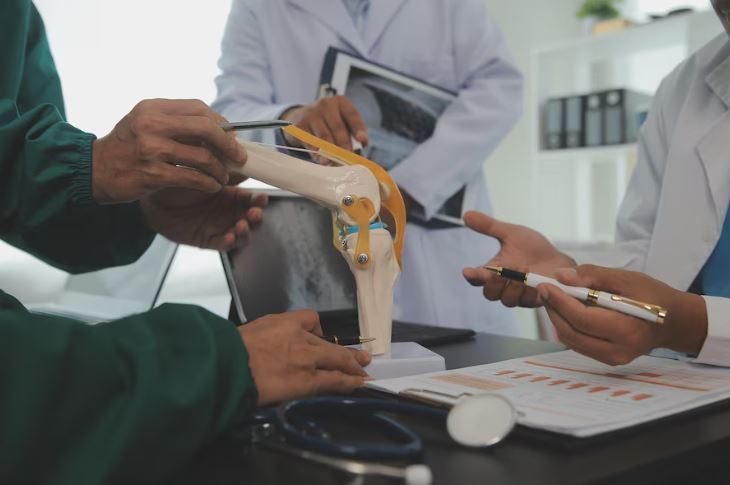
Exploring Top Orthopedic Care: The Role of Specialized Orthopedic Hospitals

In the realm of healthcare, orthopedic hospitals hold a unique and vital role, providing specialized treatment for injuries and diseases affecting the musculoskeletal system. This includes conditions related to bones, joints, ligaments, tendons, and muscles, which can impact people of all ages, from children to older adults. As our lifestyles evolve, with increasing activity levels and an aging population, the need for advanced orthopedic care continues to grow. In this article, we’ll delve into the importance of orthopedic hospitals, the types of treatments they offer, and introduce Airmid Hospital, a leading orthopedic facility in Samaypur Badli.

Understanding Orthopedic Hospitals and Their Specialties

Orthopedic hospitals are dedicated medical facilities that specialize in diagnosing, treating, and managing musculoskeletal disorders. Unlike general hospitals, orthopedic hospitals focus exclusively on the musculoskeletal system, with expertise in treating issues like fractures, dislocations, sports injuries, arthritis, degenerative diseases, and congenital disorders.

Orthopedic hospitals often house highly specialized teams, including orthopedic surgeons, rheumatologists, physiotherapists, and rehabilitation specialists, who work together to provide comprehensive care. These hospitals are equipped with state-of-the-art technology to offer the latest diagnostic, surgical, and therapeutic techniques.

Why Specialized Orthopedic Care Matters

Orthopedic conditions can be complex, affecting mobility, comfort, and overall quality of life. Specialized orthopedic hospitals address these challenges with advanced treatments that can significantly reduce pain, improve movement, and facilitate faster recovery. Here are some core reasons why specialized orthopedic care is essential:

  1. Accurate Diagnosis: Orthopedic hospitals often have access to advanced imaging techniques such as MRI, CT scans, and ultrasound that enable precise diagnosis of musculoskeletal conditions.
  2. Minimally Invasive Surgery: With the advancement in medical technology, many orthopedic hospitals offer minimally invasive procedures that reduce recovery times, decrease pain, and minimize scarring.
  3. Comprehensive Rehabilitation: Orthopedic hospitals provide a full range of rehabilitation services, including physiotherapy, occupational therapy, and sports rehabilitation, helping patients return to normal life post-surgery.
  4. Customized Treatment Plans: Every patient’s condition is unique, and specialized orthopedic facilities can offer personalized treatment plans that cater to specific needs and health goals.
  5. Holistic Pain Management: Chronic pain can be debilitating, and orthopedic hospitals have experts who specialize in managing pain through both medical and non-medical approaches, allowing for an improved quality of life.

Types of Orthopedic Treatments and Procedures

Orthopedic hospitals offer a wide range of treatments and procedures tailored to the needs of the patients. Here are some common treatments and procedures:

1. Joint Replacement Surgery

One of the most common procedures in orthopedic hospitals is joint replacement surgery, such as hip and knee replacements. This surgery replaces damaged or worn-out joints with artificial prosthetics, providing relief from pain and restoring joint function. Airmid Hospital specializes in knee replacement surgeries, helping patients regain mobility with less pain and a quicker recovery.

2. Arthroscopy

Arthroscopy is a minimally invasive procedure used to diagnose and treat joint issues. Surgeons use a small camera inserted through tiny incisions, enabling them to view and treat the joint with precision. This technique is commonly used for shoulder, knee, and ankle issues, allowing for a faster recovery than open surgery.

3. Fracture and Trauma Care

Orthopedic hospitals are well-equipped to handle fractures and traumatic injuries resulting from accidents or falls. They provide immediate care to ensure proper alignment, stabilization, and healing of the bone. Airmid Hospital’s trauma care services ensure patients receive timely and effective care, which is essential in preventing complications and ensuring proper recovery.

4. Sports Medicine

Sports injuries require specialized care, as athletes often need to return to their high level of activity as soon as possible. Sports medicine focuses on injuries like ligament tears, tendon injuries, and joint dislocations. Treatment may include surgical intervention, physical therapy, and specific rehabilitation programs.

5. Pediatric Orthopedics

Pediatric orthopedics addresses musculoskeletal issues in children, which can include congenital conditions, developmental disorders, and fractures. The treatment approach is different from adults due to children’s growing bones and distinct anatomy. Pediatric orthopedics often involves careful monitoring and age-appropriate interventions to ensure children grow without impediments.

6. Spine Surgery

Spinal issues like herniated discs, spinal stenosis, and scoliosis can lead to severe pain and disability. Specialized orthopedic hospitals offer spine surgeries that address these issues, aiming to relieve pain, improve function, and prevent further complications. Many orthopedic hospitals, like Airmid Hospital, have spine surgery departments equipped to handle complex spinal conditions.

Choosing the Right Orthopedic Hospital

When choosing an orthopedic hospital, several factors should be considered:

  1. Reputation and Expertise: Look for hospitals known for their expertise in orthopedic care. The hospital’s reputation can indicate the quality of care and success in treating patients.
  2. Technology and Facilities: Advanced diagnostic tools and surgical facilities play a vital role in ensuring accurate diagnosis and effective treatment.
  3. Multidisciplinary Team: A good orthopedic hospital will have a team approach, including surgeons, pain specialists, physiotherapists, and more.
  4. Patient Reviews and Testimonials: Reading reviews and testimonials from past patients can give insight into their experience, satisfaction, and overall care quality.
  5. Rehabilitation Services: Comprehensive rehabilitation is essential in orthopedic care, as it helps patients regain their mobility and strength.

Airmid Hospital: Orthopedic Excellence in Samaypur Badli

Airmid Hospital stands out as one of the premier orthopedic hospitals in Samaypur Badli, offering a broad range of services for musculoskeletal health. With a team of experienced orthopedic specialists, Airmid Hospital is committed to providing patients with effective, compassionate, and personalized care. Here are some highlights of Airmid Hospital’s orthopedic services:

  • Advanced Joint Replacement: Airmid Hospital specializes in joint replacement surgeries, particularly knee and hip replacements, using minimally invasive techniques for faster recovery and reduced pain.
  • Trauma and Fracture Care: Equipped with modern trauma facilities, Airmid ensures patients receive prompt treatment for fractures and injuries, with an emphasis on accurate alignment and stabilization.
  • Rehabilitation Services: The hospital offers comprehensive rehabilitation services to aid in post-operative recovery, physical therapy, and pain management.
  • Spine Care and Surgery: Airmid Hospital’s orthopedic department includes specialized spine care, offering both surgical and non-surgical treatment options for conditions such as herniated discs and spinal stenosis.
  • Expert Pediatric Orthopedics: Understanding the unique needs of children, Airmid provides specialized orthopedic care for young patients, addressing congenital conditions, growth-related issues, and fractures.

Airmid Hospital’s commitment to patient care and excellence has made it a trusted choice for individuals seeking orthopedic care in Samaypur Badli. With state-of-the-art technology, a dedicated medical team, and a patient-centered approach, Airmid Hospital has established itself as a leader in orthopedic healthcare.

Conclusion

Orthopedic hospitals play an indispensable role in modern healthcare by addressing a wide range of musculoskeletal issues that impact people’s lives. From joint replacements to sports medicine, orthopaedic hospital in Samaypur badli offers comprehensive treatment options designed to restore mobility and improve quality of life. Choosing the right hospital, like Airmid Hospital in Samaypur Badli, can make a significant difference in recovery and long-term health.

For those facing orthopedic issues, consulting a specialized orthopedic hospital offers access to the expertise and technology needed to address even the most complex conditions. Airmid Hospital’s dedication to providing compassionate, high-quality orthopedic care makes it a valuable resource for the community, helping individuals regain their strength, mobility, and independence. Whether it’s a simple fracture or a complex joint replacement, Airmid Hospital is committed to being a reliable partner in your journey to recovery and better health.

Airmid Hospital: The Best Orthopedic Hospital in Rohini, Delhi for Exceptional Care

Airmid Hospital: The Best Orthopedic Hospital in Rohini, Delhi for Exceptional Care

In today’s fast-paced world, orthopedic health is essential for leading an active, pain-free lifestyle. Orthopedic issues, such as joint pain, fractures, and spine disorders, are increasingly common due to sedentary lifestyles, physical injuries, and aging. Recognizing these challenges, Airmid Hospital in Rohini has emerged as a leading orthopedic center, offering advanced and compassionate care for those suffering from musculoskeletal disorders.

This blog explores the comprehensive orthopedic services provided by Airmid Hospital, highlighting its commitment to patient-centric care, advanced technology, and personalized treatment plans that make it the best orthopedic hospital in Rohini.

Overview of Orthopedic Care at Airmid Hospital

Orthopedics deals with the diagnosis, treatment, and rehabilitation of disorders affecting bones, joints, muscles, and ligaments. Whether it’s a sports injury, arthritis, or spine issues, Airmid Hospital has the expertise and facilities to handle a variety of cases. Known for its dedicated orthopedic team and state-of-the-art technology, the hospital has earned a reputation for providing the best orthopedic care in Rohini and beyond.

The orthopedic department at Airmid Hospital is staffed with highly skilled surgeons, physiotherapists, and nursing staff, all of whom are focused on delivering the highest quality care. The hospital’s orthopedic services include joint replacement surgeries, spine surgeries, fracture management, sports injury treatment, and physiotherapy, all supported by the latest in diagnostic and therapeutic technologies.

Why Choose Airmid Hospital for Orthopedic Care?

Choosing the right hospital for orthopedic treatment is crucial to achieving a successful outcome. Here are some reasons why Airmid Hospital stands out as the best choice for orthopedic care in Rohini:

  • Expert Orthopedic Surgeons: Airmid Hospital has a team of experienced and highly qualified orthopedic surgeons who are well-versed in both traditional and modern surgical techniques. Their expertise in joint replacement, minimally invasive procedures, and complex fracture repair ensures that patients receive optimal care.
  • Advanced Technology and Equipment: From MRI and CT scans to robotic-assisted surgeries, Airmid Hospital is equipped with advanced technology that enables precise diagnosis and treatment. The hospital’s imaging and diagnostic capabilities help in creating accurate treatment plans, leading to better outcomes for patients.
  • Patient-Centric Approach: Airmid Hospital is dedicated to creating a comfortable and caring environment for patients. The hospital’s patient-centric approach includes personalized treatment plans, constant communication, and empathetic support throughout the patient’s journey.
  • Holistic Rehabilitation Programs: Rehabilitation is a key aspect of orthopedic treatment, especially after surgeries like joint replacements. Airmid Hospital offers comprehensive rehabilitation programs, including physiotherapy, occupational therapy, and pain management, to help patients regain mobility and strength effectively.

Comprehensive Orthopedic Services Offered

Airmid Hospital covers a wide range of orthopedic services, addressing both common and complex conditions. Below is an overview of some of the key services offered at the hospital:

  • Joint Replacement Surgery: Airmid Hospital is renowned for its expertise in joint replacement surgeries, particularly knee and hip replacements. These procedures help patients with severe joint degeneration regain pain-free movement and improve their quality of life. The hospital uses minimally invasive techniques whenever possible to ensure quicker recovery and minimal scarring.
  • Spine Surgery: Spine problems such as herniated discs, spinal stenosis, and scoliosis can cause severe pain and disability. The spine specialists at Airmid Hospital are skilled in both surgical and non-surgical treatments for spine conditions, providing patients with effective relief and restoring mobility.
  • Fracture Management and Trauma Care: Fractures and trauma cases require immediate and accurate intervention to avoid complications. Airmid Hospital’s orthopedic trauma team is available 24/7 to handle fractures and other injuries with precision, ensuring that patients recover swiftly and safely.
  • Sports Injury Treatment: Athletes and active individuals often face injuries that require specialized care. The hospital’s sports injury clinic offers a range of treatments, including ligament reconstruction, tendon repair, and shoulder stabilization. The team works closely with physiotherapists to create customized rehabilitation programs, enabling athletes to return to their sport stronger than before.
  • Arthritis and Osteoporosis Management: Chronic conditions like arthritis and osteoporosis can greatly affect a person’s quality of life. Airmid Hospital offers comprehensive management programs for these conditions, including medication, lifestyle counseling, and physiotherapy to manage pain and improve joint health.
  • Physiotherapy and Rehabilitation: Airmid Hospital’s rehabilitation center is an integral part of its orthopedic services. Patients recovering from surgeries or injuries benefit from personalized physiotherapy sessions that promote healing, restore function, and prevent future injuries.
best orthopedic hospital in rohini

Innovative Technology at Airmid Hospital

Airmid Hospital’s commitment to using advanced technology is evident in every aspect of its orthopedic care. The hospital’s use of robotic-assisted surgery, for instance, allows for higher precision during joint replacement procedures, minimizing tissue damage and ensuring quicker recovery times. The hospital’s advanced diagnostic equipment, including digital X-rays, CT scans, and MRIs, provides clear and accurate images, facilitating prompt and effective diagnosis and treatment.

In addition, Airmid Hospital has invested in 3D printing technology for orthopedic surgeries. This technology allows for the creation of customized implants and pre-operative planning, which can lead to better surgical outcomes.

Commitment to Patient Education and Support

Airmid Hospital goes beyond medical treatment to focus on patient education and support. Patients and their families are provided with detailed information on their condition, treatment options, and post-operative care. This transparent approach empowers patients to make informed decisions about their health and fosters trust in the medical team.

The best orthopedic hospital in Rohini also offers support groups for patients recovering from major surgeries like joint replacements. These groups provide a sense of community and help patients share their experiences, which can be a valuable part of the healing process.

Patient Success Stories and Testimonials

Airmid Hospital has a long track record of successful treatments and satisfied patients. Many patients have shared their positive experiences, highlighting the compassionate care they received from the entire orthopedic team. From patients who have regained mobility after complex spine surgeries to athletes who returned to their sport after successful ligament repairs, the testimonials speak volumes about the hospital’s commitment to excellence.

Convenient Location and Accessibility

Located in Rohini, Airmid Hospital is easily accessible for residents in Delhi and surrounding areas. The hospital’s convenient location makes it an ideal choice for those in need of orthopedic care, ensuring that patients do not have to travel long distances for consultations, surgeries, or follow-up appointments.

Insurance and Payment Options

Airmid Hospital understands that medical expenses can be a concern for many patients. The hospital accepts a wide range of insurance plans, making it easier for patients to access the care they need. In addition, Airmid Hospital offers flexible payment options to ensure that financial constraints do not stand in the way of receiving top-quality orthopedic care.

Conclusion

Airmid Hospital’s dedication to providing world-class orthopedic care makes it the best orthopedic hospital in Rohini. With a team of skilled orthopedic specialists, cutting-edge technology, and a patient-centered approach, Airmid Hospital offers comprehensive solutions for all types of musculoskeletal disorders. Whether you need joint replacement surgery, spine treatment, or physiotherapy, Airmid Hospital provides exceptional care to help you live an active, pain-free life.

If you or a loved one are experiencing orthopedic issues, Airmid Hospital in Rohini should be your first choice. Their commitment to quality, safety, and compassionate care sets them apart, ensuring that each patient receives the best possible treatment and support for a successful recovery.

Understanding Knee Replacement Surgery

Knee replacement surgery, also known as knee arthroplasty, is a common yet intricate procedure designed to relieve pain and restore function in severely diseased knee joints. This surgery has transformed the lives of many by enabling them to reclaim mobility and comfort lost to conditions like osteoarthritis, rheumatoid arthritis, and injury-induced joint damage. If you’re considering knee replacement surgery in Delhi, Airmid Hospital, renowned for its advanced orthopedic services and expert surgical care, is an excellent choice. This blog will explore the fundamentals of knee replacement surgery, who might need it, the benefits it offers, and what makes Airmid Hospital stand out in providing this essential medical service.

What is Knee Replacement Surgery?

Knee replacement surgery involves removing damaged parts of the knee joint and replacing them with artificial components, often made from metal alloys, ceramics, or high-grade plastic. These prosthetic parts replicate the knee’s natural structure and movements, providing relief from pain and enabling improved joint function. The procedure is highly individualized and can be total (replacing the entire knee joint) or partial (replacing only the damaged portion of the knee), depending on the patient’s condition and needs.

Who Needs Knee Replacement Surgery?

Knee replacement surgery is typically recommended for individuals experiencing severe knee pain and stiffness that interfere with daily activities. The most common causes of such knee pain include:

  1. Osteoarthritis: The wear and tear of cartilage over time, often due to aging, can lead to severe joint pain.
  2. Rheumatoid Arthritis: An autoimmune condition where the immune system attacks the joint lining, causing inflammation and pain.
  3. Post-traumatic Arthritis: This type of arthritis can develop after a serious knee injury that causes cartilage damage or fractures.
  4. Injuries and Joint Deformities: Injuries such as fractures or alignment issues can severely impact the knee joint’s structure and cause chronic pain.

When conservative treatments like medication, physical therapy, or lifestyle modifications fail to relieve symptoms, knee replacement surgery becomes a viable and often necessary option.

Types of Knee Replacement Surgery

  1. Total Knee Replacement (TKR): In TKR, the surgeon replaces the entire knee joint. This is the most common type of knee replacement surgery and is ideal for people with widespread joint damage.
  2. Partial Knee Replacement (PKR): In cases where only one part of the knee is damaged, PKR can be performed. This procedure is less invasive and involves a faster recovery, as only a part of the knee joint is replaced.
  3. Minimally Invasive Knee Replacement: This technique uses smaller incisions and advanced surgical methods to reduce recovery time and postoperative pain.
  4. Revision Knee Replacement: For patients who have had knee replacement in the past but are now facing complications or wear in their prosthetic knee, revision surgery is performed to replace the original implant.

Preparing for Knee Replacement Surgery

Pre-surgical preparation is crucial for successful knee replacement surgery. It involves:

  • Medical Evaluation: Your doctor will perform a thorough health check, including blood tests, EKG, and other assessments, to ensure you are fit for surgery.
  • Preoperative Physical Therapy: Some patients are advised to begin physical therapy before surgery to strengthen the knee muscles and improve recovery post-surgery.
  • Medication Adjustments: Certain medications may need to be paused or adjusted before surgery to avoid complications.

What to Expect During the Procedure

The knee replacement procedure typically involves these steps:

  1. Anesthesia: The surgery begins with either general anesthesia or spinal anesthesia.
  2. Incision and Joint Preparation: The surgeon makes an incision over the knee, removes damaged cartilage and bone, and prepares the joint surface.
  3. Implant Placement: Custom-fitted artificial components are positioned in place, mimicking the natural alignment and function of the knee joint.
  4. Closure and Recovery: The incision is closed, and the patient is moved to the recovery area.

The procedure usually takes about 1-2 hours, and most patients are able to return home within a few days post-surgery, although some may require a longer hospital stay based on individual health needs.

Recovery and Rehabilitation

After knee replacement surgery, rehabilitation is critical for achieving a successful outcome. Recovery usually involves:

  • Pain Management: Medications are prescribed to control postoperative pain.
  • Physical Therapy: A physical therapist works with the patient to gradually restore movement and strength to the knee.
  • Follow-up Visits: Regular check-ups with the surgeon help monitor progress and detect any complications early on.

Most patients are able to resume normal activities within 6-8 weeks post-surgery. However, full recovery and the ability to engage in more strenuous activities may take several months.

Benefits of Knee Replacement Surgery

Knee replacement surgery can bring numerous benefits, including:

  • Pain Relief: It significantly reduces or eliminates chronic knee pain.
  • Improved Mobility: With less pain and stiffness, patients can walk, climb stairs, and engage in low-impact activities comfortably.
  • Enhanced Quality of Life: Restored mobility allows patients to regain independence and enjoy a more active lifestyle.
  • Long-lasting Results: Knee implants are durable and can last 15-20 years or more with proper care.

Why Choose Airmid Hospital for Knee Replacement Surgery in Delhi?

Airmid Hospital is widely recognized as one of the best orthopedic hospitals, particularly for knee replacement surgery. Here are a few reasons why Airmid Hospital is an ideal choice:

  1. Expert Team of Surgeons: Airmid Hospital has a team of highly experienced orthopedic surgeons who specialize in joint replacement surgeries. Their expertise ensures precision in surgery and minimizes the risk of complications.
  2. Advanced Technology and Equipment: The hospital is equipped with state-of-the-art surgical tools and facilities that allow for minimally invasive techniques and customized implants. These advancements contribute to faster recovery times and better overall outcomes for patients.
  3. Comprehensive Rehabilitation Services: Airmid Hospital offers a full spectrum of rehabilitation services, from in-house physiotherapy to personalized post-surgery recovery plans. This comprehensive approach helps patients get back on their feet faster and more effectively.
  4. Patient-Centric Care: At Airmid, patient comfort and safety are prioritized. The staff is known for their compassionate approach, making every effort to ensure that patients feel informed, supported, and at ease throughout their treatment journey.
  5. Proven Track Record: With a high success rate in knee replacement surgeries, Airmid Hospital has gained a reputation for excellence in orthopedic care, drawing patients from across Delhi and beyond.
  6. Convenient Location: Located in the heart of Delhi, Airmid Hospital is accessible for both local and out-of-city patients, making it a convenient choice for knee replacement surgery.

Is Knee Replacement Right for You?

Deciding to undergo knee replacement surgery in Delhi is a significant step. Here are a few considerations:

  • Severity of Symptoms: If you experience chronic knee pain that disrupts daily life and conservative treatments have not helped, knee replacement surgery could be beneficial.
  • Impact on Quality of Life: Surgery can offer immense improvements in mobility and overall quality of life.
  • Understanding Risks and Commitment: While knee replacement is a safe procedure, understanding the risks and being prepared for the rehabilitation journey is important.

Airmid Hospital offers consultations to assess each patient’s unique situation, answer questions, and recommend the best course of action based on the latest advancements in joint replacement surgery.

Conclusion

Knee replacement surgery is a transformative solution for those suffering from chronic knee pain and limited mobility due to joint conditions. With proper preparation, a skilled surgical team, and a committed approach to rehabilitation, patients can achieve remarkable improvements in their quality of life. For individuals in Delhi seeking high-quality knee replacement services, Airmid Hospital stands out as a premier choice. From experienced surgeons to cutting-edge facilities and patient-centered care, Airmid Hospital ensures that each patient receives the best possible treatment and support on their journey to recovery.

If you’re considering knee replacement surgery or want to learn more about how Airmid Hospital can help, schedule a consultation today. Take the first step towards a pain-free and active life with the trusted expertise of Airmid Hospital.

Understanding Knee Resurfacing: A Comprehensive Guide

Understanding Knee Resurfacing: A Comprehensive Guide

Knee problems, whether due to age, injury, or degenerative conditions like arthritis, can be debilitating. When conservative treatments fail, surgical interventions like knee resurfacing become viable solutions. Knee resurfacing is a minimally invasive procedure designed to restore knee function and alleviate pain without the extensive replacement of all joint components. In this blog post, we will delve into what knee resurfacing entails, its benefits, and why it could be a better alternative to total knee replacement. We’ll also highlight the expertise of Dr. Saksham Mittal, a renowned knee resurfacing surgeon in Paschim Vihar.

What Is Knee Resurfacing?

Knee resurfacing, often referred to as partial knee replacement or unicompartmental knee arthroplasty, is a procedure where only the damaged portions of the knee joint are resurfaced rather than replacing the entire knee joint. The knee joint consists of three compartments: the medial (inner), lateral (outer), and patellofemoral (front). When arthritis or injury affects only one compartment, knee resurfacing is a highly effective treatment.

Unlike a full knee replacement that requires the removal of more bone and joint structures, knee resurfacing leaves much of the natural knee intact. This leads to a more natural range of motion and faster recovery time. It is particularly suitable for patients with localized arthritis or damage in a single compartment of the knee.

How Knee Resurfacing Works

In knee resurfacing, the damaged part of the knee cartilage is shaved off and replaced with metal and plastic implants. This prevents bone-on-bone friction that causes pain, allowing the knee to move smoothly again. The procedure involves:

  1. Evaluation and Imaging: The surgeon assesses the knee’s condition using X-rays, MRIs, or CT scans to determine which compartment of the knee is damaged.
  2. Preparation: During surgery, the knee is carefully exposed, and the surgeon removes the damaged cartilage and bone from the affected compartment.
  3. Implant Placement: A metal cap is placed over the end of the femur, while a plastic spacer is fitted onto the tibia. These components act as a cushion, enabling smooth joint movement.
  4. Wound Closure: The incision is closed, and the patient is prepared for recovery.

Who Is a Candidate for Knee Resurfacing?

Knee resurfacing is ideal for patients with localized osteoarthritis in just one of the knee’s compartments. People who might benefit from knee resurfacing include:

  • Patients with early-stage osteoarthritis are confined to one compartment.
  • Individuals who are not ready for a full knee replacement due to age or activity level.
  • Active individuals who want to retain a more natural knee motion post-surgery.
  • Those whose pain is moderate and who have tried other treatments like physical therapy or medication without success.

Dr. Saksham Mittal, a knee resurfacing surgeon based in Paschim Vihar, assesses each patient individually to determine whether they are good candidates for the procedure. His expertise ensures the best outcomes for his patients by carefully considering their knee condition, overall health, and lifestyle.

Benefits of Knee Resurfacing Over Total Knee Replacement

While both knee resurfacing and total knee replacement (TKR) address chronic knee pain and limited mobility, knee resurfacing offers several advantages:

  1. Minimally Invasive: Knee resurfacing involves smaller incisions compared to total knee replacement, resulting in less damage to surrounding tissues and a quicker recovery time.
  2. Preservation of Natural Knee Structure: Since only the damaged part of the knee is resurfaced, much of the natural knee structure is preserved, allowing for more natural movement post-surgery.
  3. Faster Recovery: Patients undergoing knee resurfacing typically experience quicker rehabilitation, with many returning to normal activities, including sports, much sooner than after TKR.
  4. Reduced Risk of Complications: Knee resurfacing carries a lower risk of complications such as infection or implant failure because of the more localized nature of the procedure.
  5. Better for Younger Patients: For younger or more active patients, knee resurfacing allows for a higher level of post-surgical activity, as the procedure retains more natural knee mechanics.
Knee resurfacing surgeon in paschim vihar

Recovery and Rehabilitation

Recovery after knee resurfacing is generally faster than after a total knee replacement, with many patients being able to walk on the same day of surgery or within a few days. However, successful rehabilitation requires a commitment to physical therapy and exercises aimed at strengthening the knee and improving flexibility.

Here is a general timeline for recovery:

  • Week 1–2: Patients may use crutches or a walker for support, but many can bear weight on the operated knee within a few days.
  • Week 3–6: Physical therapy focuses on improving range of motion and strengthening the quadriceps and hamstrings.
  • Month 3: Many patients can return to low-impact activities such as walking, swimming, or cycling.
  • Month 6: Full recovery, including resumption of more rigorous activities like jogging or sports, is often achieved.

Dr. Saksham Mittal provides personalized recovery plans for each patient, ensuring that rehabilitation is tailored to individual needs, thus optimizing long-term results.

Potential Risks and Considerations

While knee resurfacing is generally safe and effective, it’s important to understand the potential risks involved:

  1. Implant Wear: The implant may wear down over time, particularly in younger, more active patients.
  2. Progression of Arthritis: Arthritis may spread to other compartments of the knee, necessitating further surgeries.
  3. Infection and Blood Clots: As with any surgery, there is a risk of infection or blood clots, although this risk is lower in knee resurfacing compared to total knee replacement.

Consulting with a specialized surgeon like Dr. Saksham Mittal helps mitigate these risks. His extensive experience in knee resurfacing ensures that patients are well-informed and guided through every step of the process.

Why Choose Dr. Saksham Mittal for Knee Resurfacing?

If you’re experiencing knee pain and considering surgical intervention, Dr. Saksham Mittal is a highly skilled knee resurfacing surgeon in Paschim Vihar. With years of experience in treating complex knee conditions, Dr. Mittal specializes in both minimally invasive and traditional knee procedures, tailoring treatment to the specific needs of each patient. His patient-centered approach ensures that every individual receives the highest standard of care.

Whether you’re an athlete looking to regain mobility or someone dealing with the effects of arthritis, Dr. Mittal can offer the most advanced solutions to help you lead an active, pain-free life.

Conclusion

Knee resurfacing offers a viable and less invasive alternative to total knee replacement for those with localized knee damage. It allows patients to preserve much of their natural knee function, experience a quicker recovery, and enjoy long-term relief from knee pain. With the right surgeon, such as Dr. Saksham Mittal, the procedure can lead to outstanding results and a return to a healthy, active lifestyle. If you’re considering knee surgery and want to explore your options, consult with Dr. Mittal to see if knee resurfacing is the right choice for you.

Comprehensive Orthopaedic Care with Dr Gaurav Rastogi: Your Trusted Orthopaedic Doctor in Multan Nagar

Orthopaedics is a medical speciality focused on diagnosing, treating, and preventing disorders related to the musculoskeletal system, including bones, joints, muscles, tendons, and ligaments. When seeking the expertise of an orthopaedic doctor, it is crucial to find a professional who combines comprehensive knowledge with compassionate care. Dr. Gaurav Rastogi, a renowned orthopaedic doctor in Multan Nagar, exemplifies this blend of expertise and empathy, ensuring that each patient receives personalized and effective treatment for their orthopaedic needs.

Why Choose Dr. Gaurav Rastogi?

Dr. Gaurav Rastogi has earned a reputation for excellence in orthopaedic care through years of dedicated practice and a commitment to staying at the forefront of medical advancements. His extensive experience in diagnosing and treating a wide range of musculoskeletal conditions makes him a preferred choice for patients in Multan Nagar and beyond. Here’s why Dr Rastogi stands out as a leading orthopaedic doctor in Multan Nagar:

1. Expertise and Experience: Dr. Rastogi’s extensive training and experience enable him to address complex orthopaedic issues with precision. His educational background includes advanced degrees and certifications in orthopaedic surgery, equipping him with the skills to handle various conditions, from fractures and joint pain to degenerative diseases and sports injuries.

2. Patient-Centered Care: At the heart of Dr. Rastogi’s practice is a patient-centred approach. He believes in treating each patient as an individual, with unique needs and concerns. This approach involves thorough consultations, where Dr. Rastogi listens to patients’ symptoms, medical histories, and lifestyle factors before developing a tailored treatment plan.

3. State-of-the-Art Facilities: Dr. Rastogi’s clinic is equipped with the latest diagnostic and treatment technologies. From advanced imaging techniques like MRI and X-rays to cutting-edge surgical tools, the facility ensures that patients receive the most accurate diagnoses and effective treatments available.

4. Comprehensive Treatment Options: Whether you’re dealing with a sports-related injury, arthritis, or a chronic back condition, Dr Rastogi offers a wide range of treatment options. His expertise encompasses both conservative methods, such as physical therapy and medication, and advanced surgical interventions when necessary.

5. Commitment to Recovery: Dr. Rastogi is dedicated to not only treating orthopaedic conditions but also ensuring optimal recovery and rehabilitation. He works closely with physical therapists and other specialists to develop comprehensive rehabilitation plans that support patients’ recovery and return to their daily activities.

Common Orthopaedic Conditions Treated by Dr. Gaurav Rastogi

Dr. Rastogi’s expertise covers a broad spectrum of orthopaedic conditions. Here are some common issues he treats:

1. Fractures and Trauma: Accidents and falls can result in fractures and other traumatic injuries. Dr. Rastogi provides expert management of fractures, including surgical and non-surgical treatment options to ensure proper healing and functional recovery.

2. Joint Pain and Arthritis: Arthritis and joint pain can significantly impact quality of life. Dr. Rastogi offers advanced treatments for various types of arthritis, including osteoarthritis and rheumatoid arthritis, aimed at reducing pain and improving joint function.

3. Sports Injuries: Athletes and active individuals often face sports-related injuries such as ligament tears, tendonitis, and muscle strains. Dr. Rastogi’s specialized knowledge in sports medicine allows him to address these injuries effectively and help patients return to their activities safely.

4. Back and Neck Pain: Chronic back and neck pain can result from various factors, including poor posture, herniated discs, and degenerative conditions. Dr. Rastogi provides a range of treatments to alleviate pain and address the underlying causes, helping patients achieve lasting relief.

5. Pediatric Orthopaedics: Children with musculoskeletal issues require specialized care. Dr. Rastogi is experienced in treating paediatric orthopaedic conditions, including congenital deformities and developmental issues, ensuring that young patients receive appropriate and effective treatment.

The Treatment Process with Dr. Gaurav Rastogi

The journey to recovery with Dr. Rastogi begins with a thorough assessment. Here’s what to expect when you visit him for orthopaedic care:

1. Initial Consultation: During the initial consultation, Dr. Rastogi will conduct a comprehensive evaluation of your condition. This includes discussing your symptoms, medical history, and any relevant lifestyle factors. He will also perform a physical examination and may order diagnostic tests to better understand your condition.

2. Personalized Treatment Plan: Based on the assessment, Dr. Rastogi will develop a personalized treatment plan tailored to your specific needs. This plan may include a combination of conservative treatments, such as physical therapy and medication, or surgical options if necessary.

3. Treatment and Follow-Up: Once the treatment plan is established, Dr. Rastogi will guide you through the process, ensuring that you understand each step and are comfortable with the approach. He will also schedule regular follow-up appointments to monitor your progress and make any necessary adjustments to the treatment plan.

4. Rehabilitation and Recovery: Recovery is an essential part of the treatment process. Dr. Rastogi emphasizes the importance of rehabilitation and works with a team of professionals to support your recovery. This may include physical therapy, exercises, and lifestyle modifications to promote healing and prevent future issues.

5. Patient Education and Support: Dr. Rastogi believes in empowering patients with knowledge about their conditions and treatment options. He provides detailed explanations and answers any questions you may have, ensuring that you are well-informed and confident in your care.

Conclusion

Choosing the right orthopaedic doctor is a crucial decision for managing and treating musculoskeletal conditions. Dr. Gaurav Rastogi, a distinguished orthopaedic doctor in Multan Nagar, offers a blend of expertise, state-of-the-art facilities, and compassionate care. Whether you’re dealing with a sports injury, arthritis, back pain, or a pediatric orthopaedic condition, Dr. Rastogi provides comprehensive and personalized treatment to help you achieve optimal health and recovery.

How to Contact or Visit The Dr Gaurav Rastogi

Address:- ORTHOBLISS Clinic, B-17, NEW MULTAN NAGAR Opposite Metro pillar no 226, Delhi 110056

Phone:- 09868330655